
 Editorial diagram
 Editorial diagram
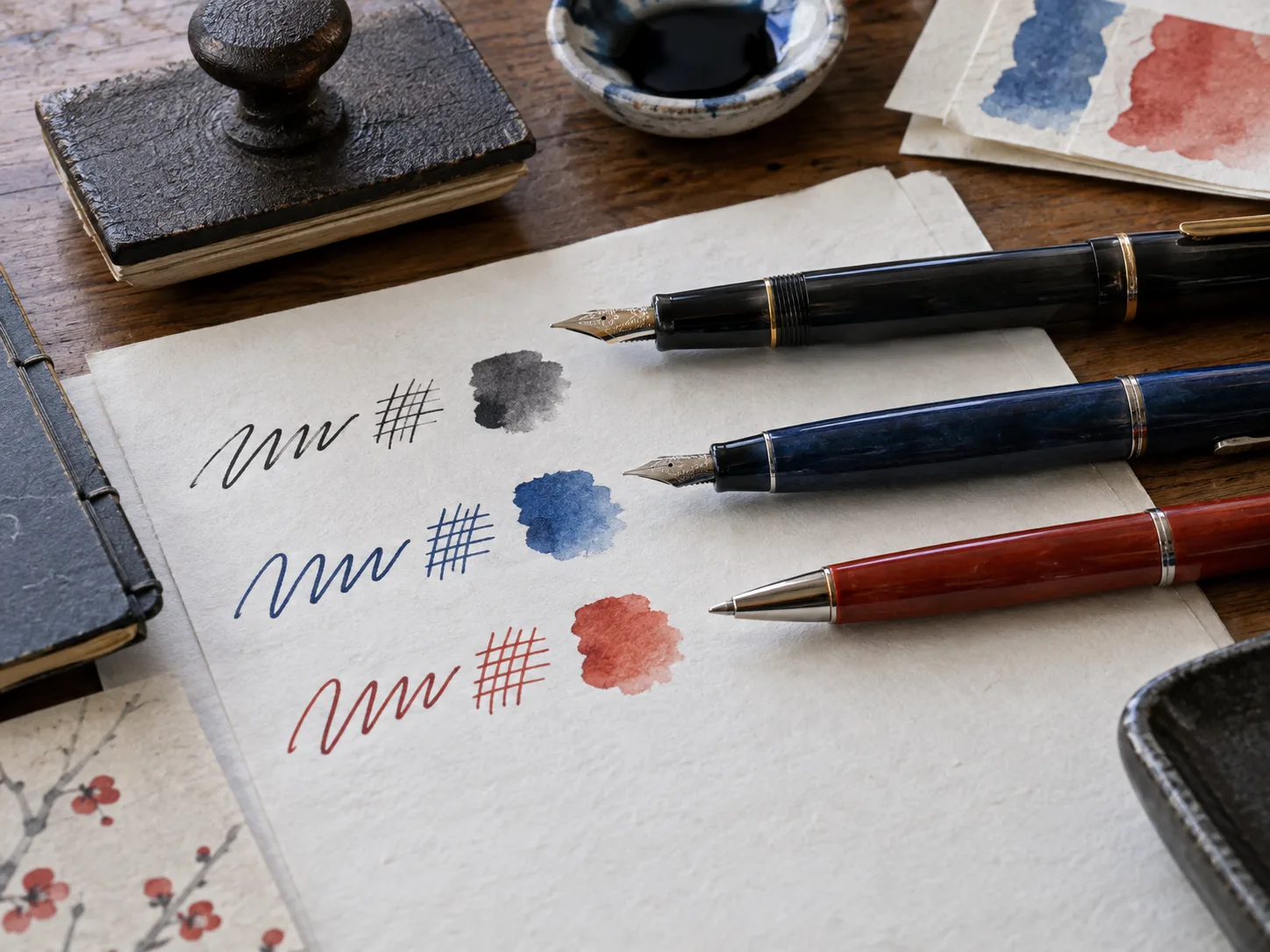
Field guide 01 / Comparison
Jetstream vs Sarasa Dry vs FriXion
Choose between low-viscosity ballpoint, fast-drying gel, and erasable ink by the way you actually write.
Read the pen guideThe field library
Everyday habits and practical tools from Japan, with the details that help you choose.
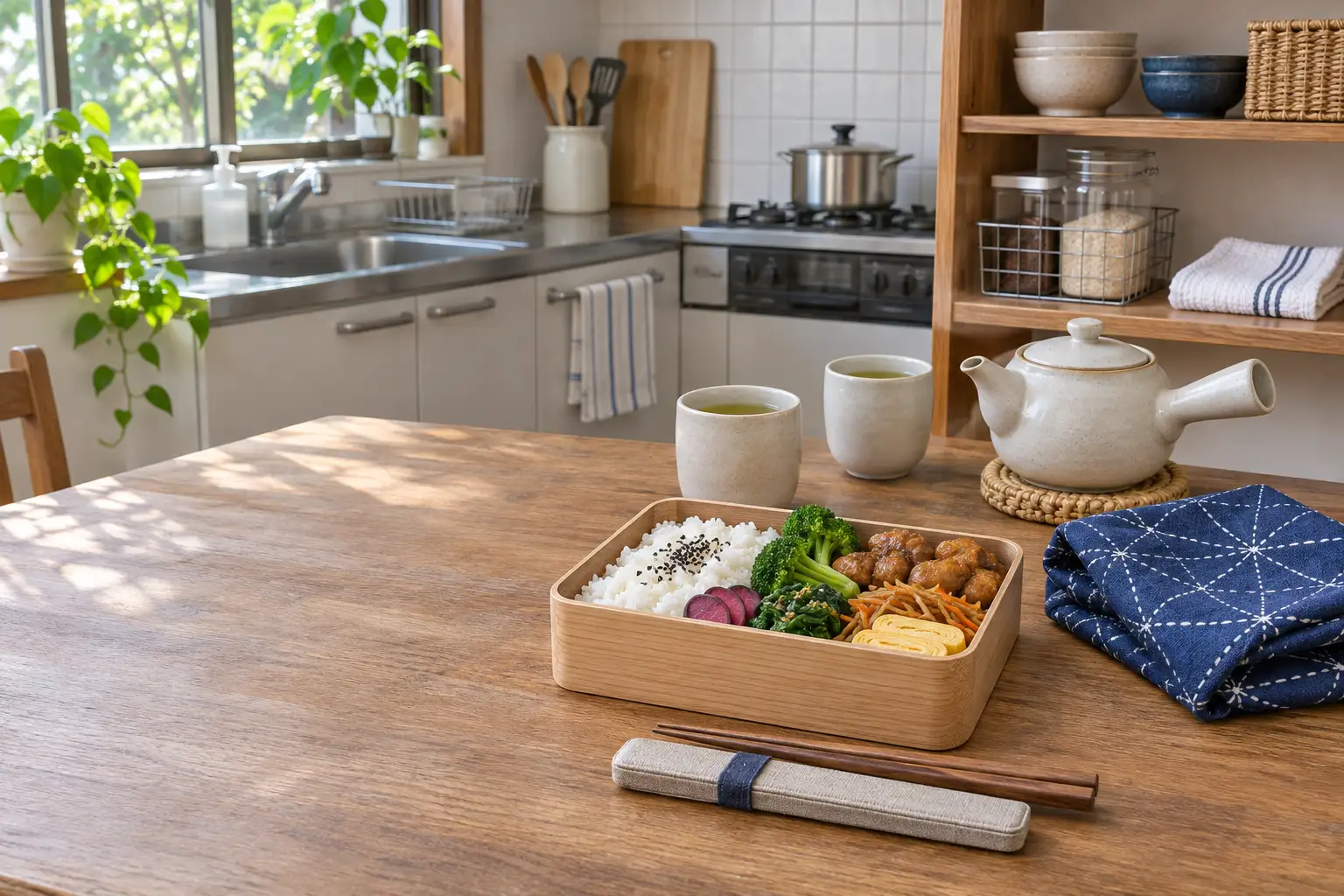
Compare before buying / 選ぶ前に
Focused comparisons and gift ideas, with exact manufacturer references and reasons to skip a purchase.
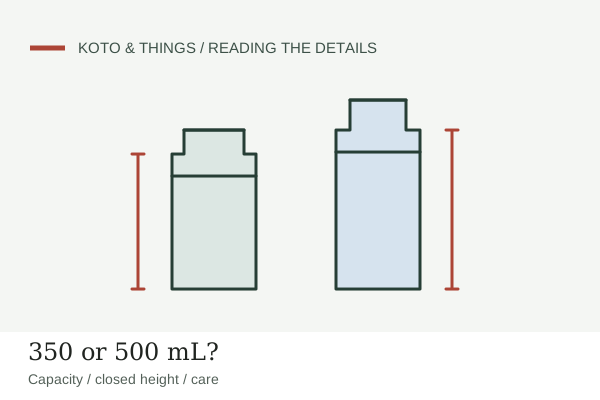 Editorial diagram
Compare capacity, closed height, empty weight, and care before choosing a bottle for your everyday bag.
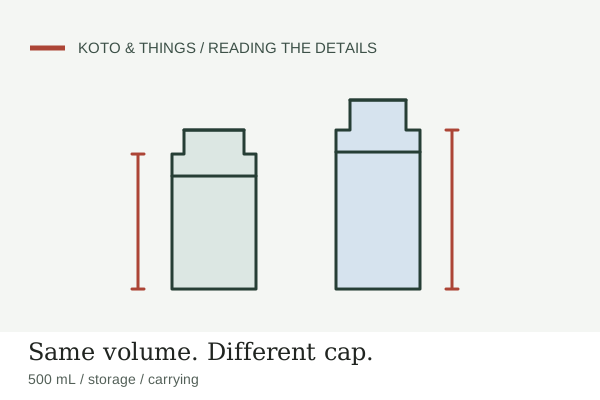 Editorial diagram
The capacity is the same. Compare the cap, closed height, and storage space rather than inventing an insulation winner.
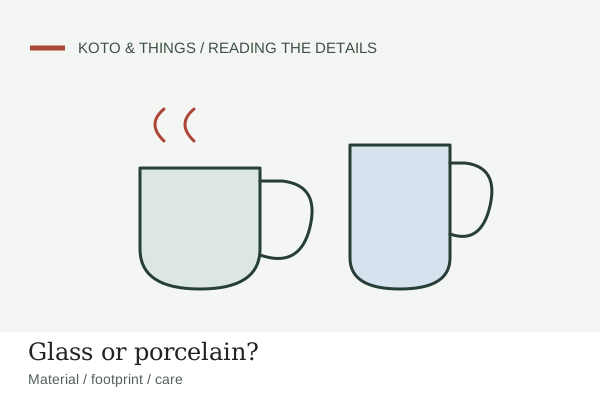 Editorial diagram
Compare two documented everyday cups by material, handle footprint, serving size, and care rather than appearance alone.
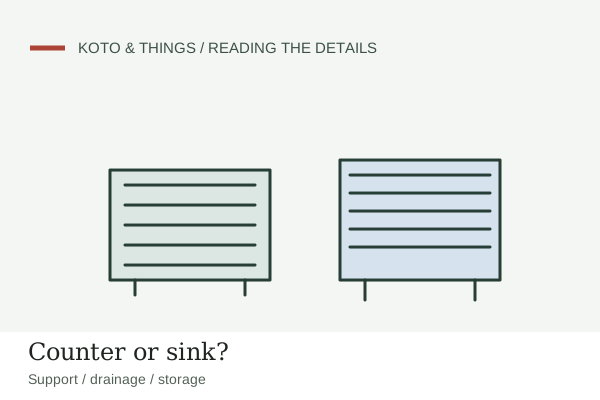 Editorial diagram
Compare a countertop rack with an over-sink drainer by available space, support, drainage, and storage.
 Editorial diagram
Three recipient-led gift ideas using documented cups and bottles, with room to skip what the recipient does not need.
 Editorial diagram
A one-liter batch in the refrigerator is not the same purchase as a portable serving. Plan brewing and carrying separately.
 Editorial diagram
Compare a 750 mL dishwasher-compatible bottle with a 500 mL hand-wash model, without pretending the sizes are equivalent.
 Editorial diagram
Plan optional indoor footwear for visitors with a documented washable-slipper example, without turning a household preference into a rule.
Read the details / 仕様を読む
Three worked examples: glass containers, insulated bottles, and porcelain mugs. Official documentation, read component by component.
 Editorial diagram
A glass bowl and its lid can have different permissions. Read a real HARIO specification without turning it into a universal rule.
 Editorial diagram
Use a Zojirushi specification to separate volume, carrying fit, and test conditions from a performance promise.
 Editorial diagram
Read a KINTO mug specification for material, care, and variation before choosing by glaze alone.
Small changes at home / 住まいと布
Five research guides to the entryway, storage, cleaning, laundry, and choosing a useful cloth.
 Editorial diagram
A place for outdoor shoes, a clear walking route, and optional indoor slippers: begin with your actual doorway.
 Editorial diagram
Outside dimensions, inside space, and the movement around a tray are three different measurements.
 Editorial diagram
Fibre, surface treatment, and care instructions can matter more than the pattern or country attached to a listing.
 Editorial diagram
Separate carrying laundry from washing it, then check the garment label, closure, and loading instructions.
 Editorial diagram
Two useful Japanese textiles, but shape, edges, dye, and intended use should guide the choice.
Lunch, packed with purpose / お弁当
Five research guides to choosing a box, carrying a meal, and avoiding unnecessary extras.
 Editorial diagram
One tier or two? Start with your usual meal, your bag, and the facilities at work.
 Editorial diagram
A practical checklist for reheating, washing, and avoiding a purchase that does not fit your kitchen.
 Editorial diagram
The useful distinction is temperature management, not how Japanese the container looks.
 Editorial diagram
The lunch bag and cold sources matter more than a decorative divider when carrying perishable food.
 Editorial diagram
Build around the food you eat. Chopsticks are an option, not an entrance requirement.
A pause for tea / お茶
Five research guides, from a familiar mug to sencha, hojicha, matcha, and cold tea.
 Editorial diagram
A good tea pause can start with one cup. Choose the brewing workflow before collecting ceramics.
 Editorial diagram
Use temperature, water, and time as adjustable choices before blaming the leaves or buying a new pot.
 Editorial diagram
For readers curious about a different aroma, start with a small pack of loose leaves rather than a complete tea set.
 Editorial diagram
Build for the drink you want to make: whisked tea and a large milk drink are different starting points.
 Editorial diagram
A filter bottle can make a useful daily routine, but dimensions and cleaning matter as much as capacity.
Everyday living
Begin with a familiar object and explore what a square of fabric can do.
Published guides
Each guide begins with a buying question: ink type, paper format, model differences, or refill compatibility. We read official documentation, identify its limits, and separate specifications from untested performance.
Field guide 01 / Comparison
Choose between low-viscosity ballpoint, fast-drying gel, and erasable ink by the way you actually write.
Read the pen guide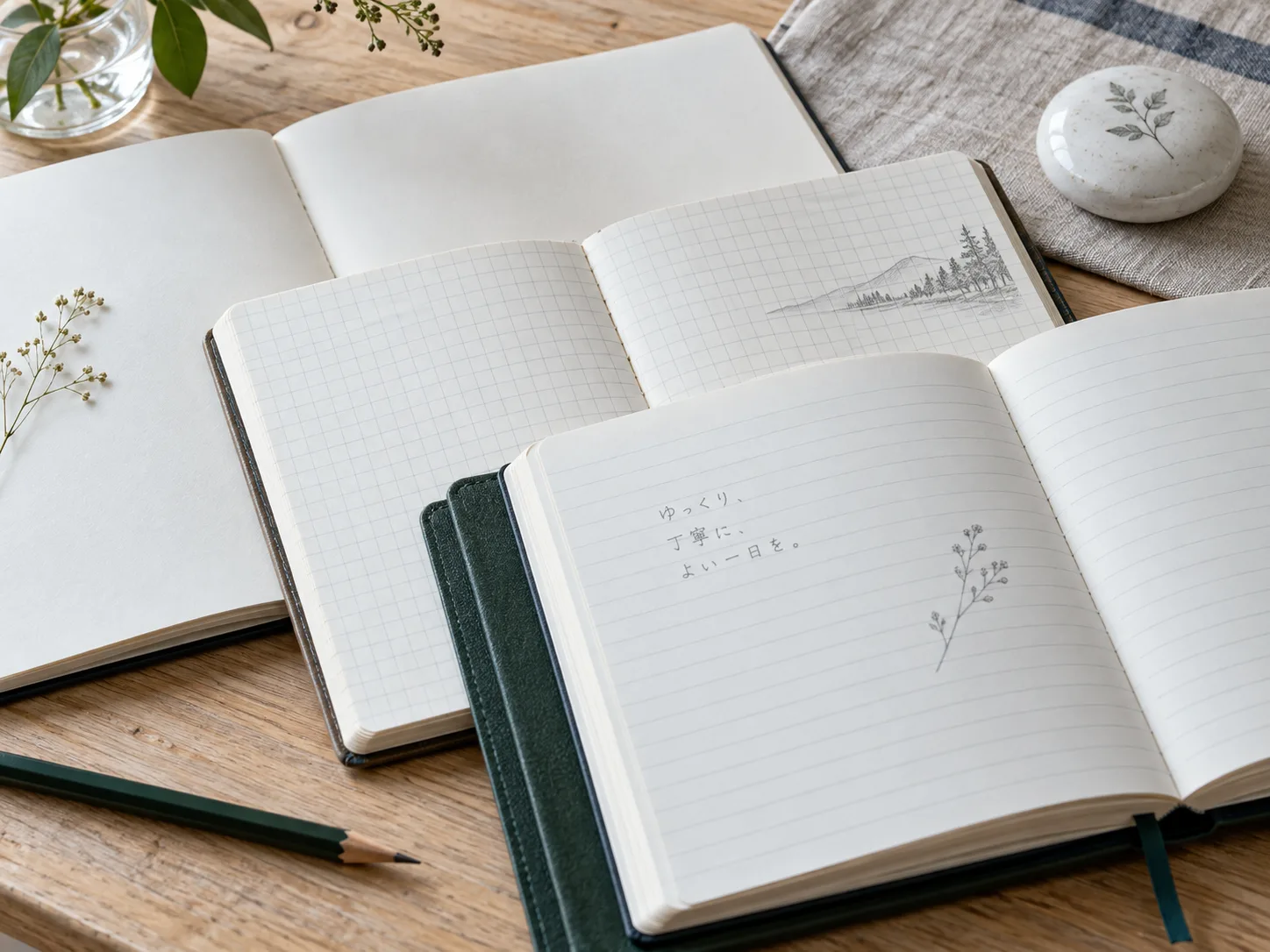
Field guide 02 / Paper
A practical comparison of ruling, binding, portability, and the kind of writing each notebook rewards.
Read the notebook guide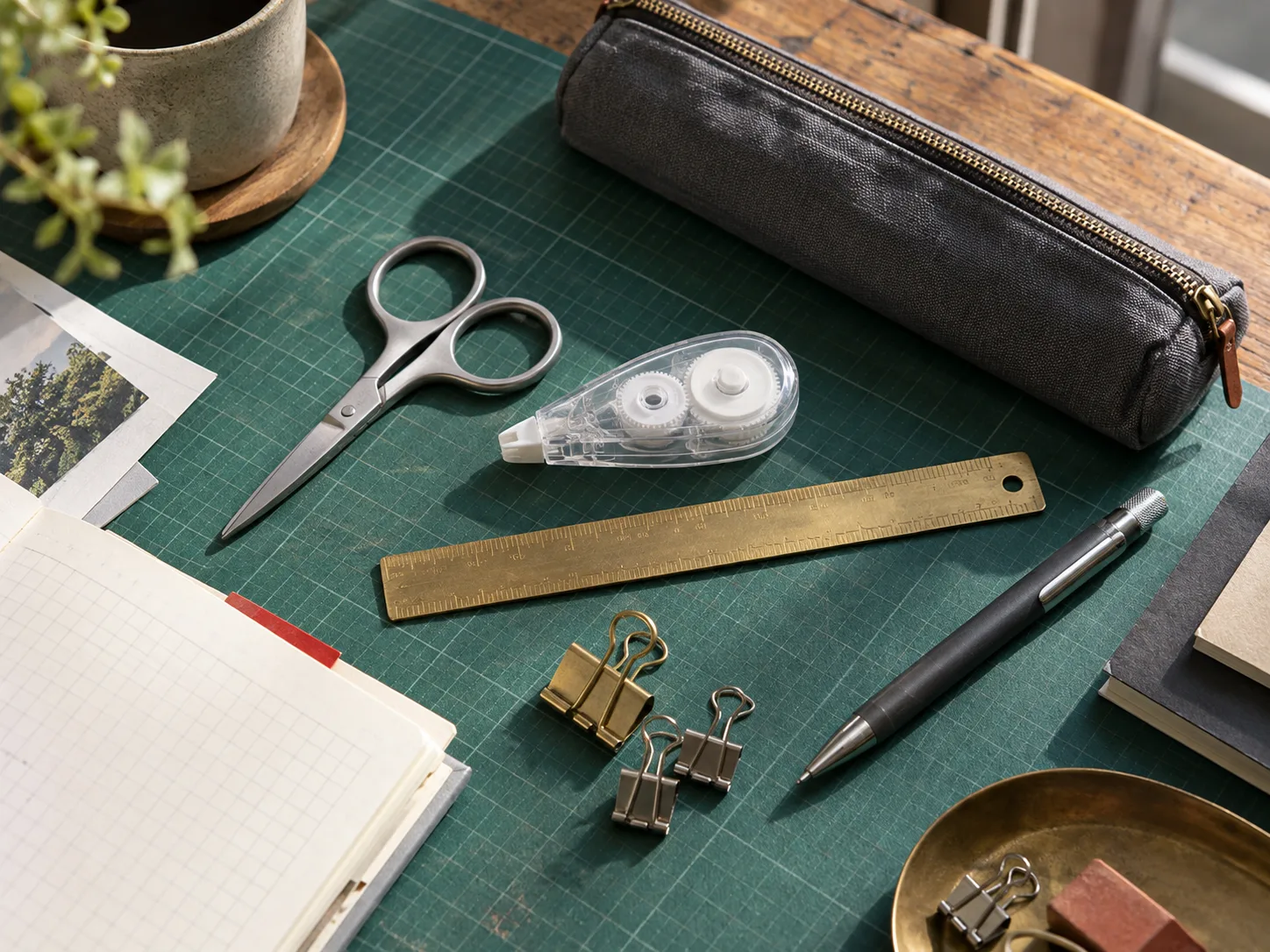
Field guide 03 / Desk tools
Compact scissors, correction tape, and a standing pen case, selected for useful details rather than novelty.
Read the desk guide
Field guide 04 / Model guide
Standard, KS, Advance, Elite, Metal, and Dive compared by mechanism, grip, stability, and price.
Compare the models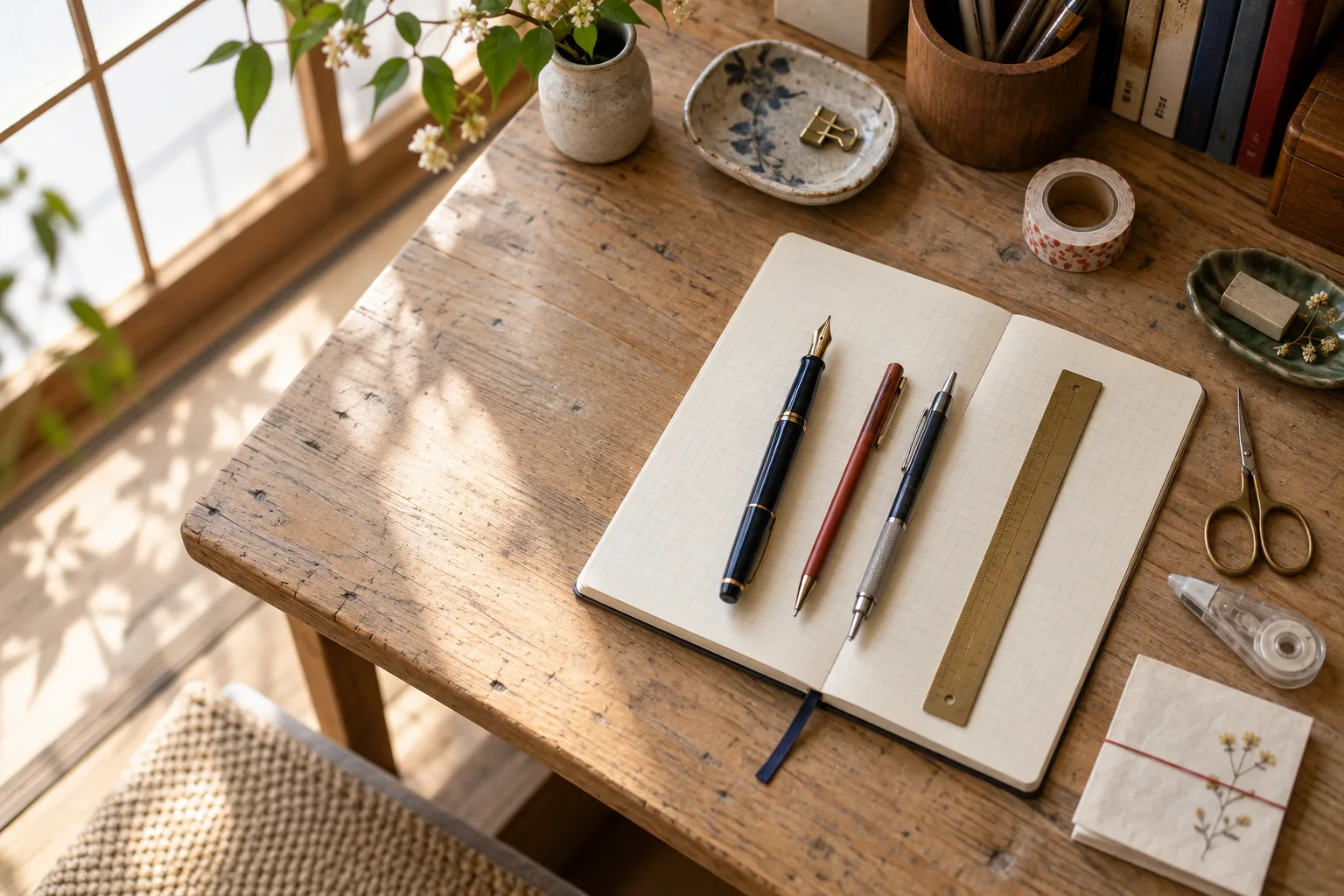
Field guide 05 / Compatibility
Decode SXR, SXR-80, SXR-200, SXR-600, and SXR-203 before choosing a point size or ink color.
Match your refill
Field guide 06 / Left-handed writing
Jetstream, Sarasa Dry, and EnerGel compared by ink behavior, point size, and the moment your hand reaches the line.
Read the left-handed guide
Field guide 07 / Gifts under $20
Compare documented stationery choices and check the current total before assembling a small gift.
Browse the gift guide
Field guide 08 / Desk bundle
Three desk-gift directions for a student, mobile worker, or journaler. Check current prices and included items before ordering.
Build a desk setThe next detail
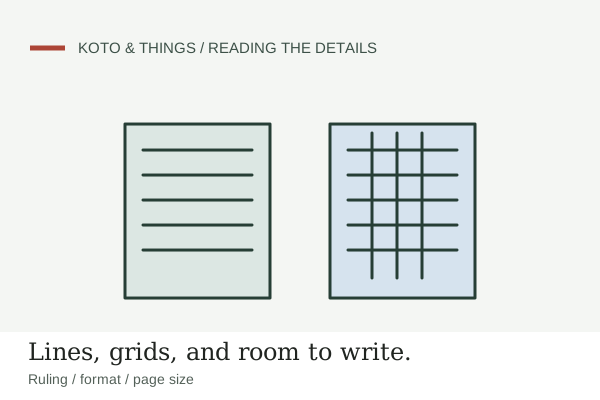 Editorial diagramField guide 09 / Notebook formatKokuyo Campus ruling guide→
Pomera outside JapanLanguage, power, and file workflow